
- Email: jigar211290@gmail.com
15+ Years of Shoulder Expertise
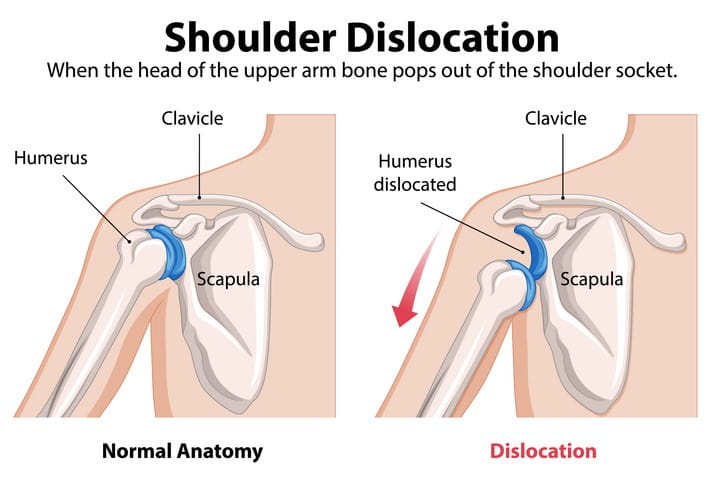
Shoulder Instability
Recurrent Shoulder Dislocation Treatment
If your shoulder frequently slips out of place or feels unstable, Dr. Jigar Desai’s Orthopedic Clinic offers advanced diagnosis and long-term solutions to help you regain stability, confidence, and mobility through expert treatment of recurrent shoulder dislocations.
-
Comprehensive Evaluation
Detailed clinical examination, imaging, and functional assessments to understand underlying causes of instability.
-
Conservative & Surgical Options
Includes physiotherapy, strengthening exercises, or arthroscopic shoulder stabilization procedures if needed.
-
Post-Treatment Strength Recovery
Customized rehab plans focused on muscle balance, stability, and shoulder control for long-term success.
Worried About Shoulder Instability?
Book a consultation with Dr. Jigar Desai for accurate diagnosis and effective recovery strategies.
Consult Dr. Jigar DesaiStatistics
Recurrent Shoulder Dislocation Treatment by Dr. Jigar Desai
Specialized treatment for shoulder instability and recurrent dislocations with precise diagnosis, arthroscopic techniques, and personalized rehab protocols.
0+
Shoulder Dislocation Cases Handled
0+
Years of Ortho Experience
0+
Arthroscopic Stabilization Surgeries
0%
Success Rate in Preventing Recurrence
Comprehensive Guide to Recurrent Shoulder Dislocation
Understand the warning signs, causes, treatment pathways, and rehabilitation insights to restore stability and function in your shoulder after repeated dislocations.
1) Common Symptoms
- Shoulder pain or weakness after movement
- Frequent sensation of "popping out"
- Visible deformity or dropped shoulder position
- Restricted or unstable range of motion
- Numbness or tingling in arm or hand
- Repeated dislocation episodes during activity
2) Typical Causes & Risk Factors
- Trauma or falls during sports or accidents
- Previous shoulder dislocation injury
- Weak rotator cuff or shoulder capsule laxity
- Hypermobile joints or connective tissue disorders
- Improper post-injury rehabilitation
- Young age at first dislocation (under 25 years)
3) Treatment Pathways
- Immediate immobilization after dislocation
- Physiotherapy for joint stability & strength
- Arthroscopic Bankart repair or Latarjet procedure
- Post-surgery rehabilitation plans
- Pain management through medications or injections
- Activity modification until full recovery
4) Activities to Avoid During Healing
- Overhead or throwing motions
- Contact sports or weightlifting
- Sudden shoulder rotation or jerks
- Sleeping on the affected side
- Skipping prescribed rehab sessions
- Returning to full activity prematurely
5) Shoulder Stability & Injury Prevention
- Strengthen rotator cuff and scapular muscles
- Warm up and stretch shoulders before activity
- Use shoulder braces during high-risk sports
- Maintain proper posture and body mechanics
- Avoid overuse and repetitive strain
- Listen to early signs of joint laxity
6) Diagnostic Approaches
- Comprehensive physical examination
- Apprehension and relocation tests
- MRI to assess labral or rotator cuff damage
- X-rays to detect bone loss (Hill-Sachs or Bankart)
- CT scan for 3D bone mapping if surgery planned
- Stability testing under anesthesia (if required)
7) Medications & Supportive Therapies
- NSAIDs for inflammation and pain
- Cold therapy and shoulder slings
- Manual therapy guided by a physiotherapist
- TENS, ultrasound, or dry needling as needed
- Kinesiology taping to support the joint
- Activity modification and postural correction
8) Long-Term Rehabilitation
- Progressive resistance exercises for shoulder
- Sport-specific training before return to play
- Regular follow-up with orthopedic team
- Scapular stabilization and proprioception work
- Patient education on posture and lifting
- Monitoring for early signs of recurrence
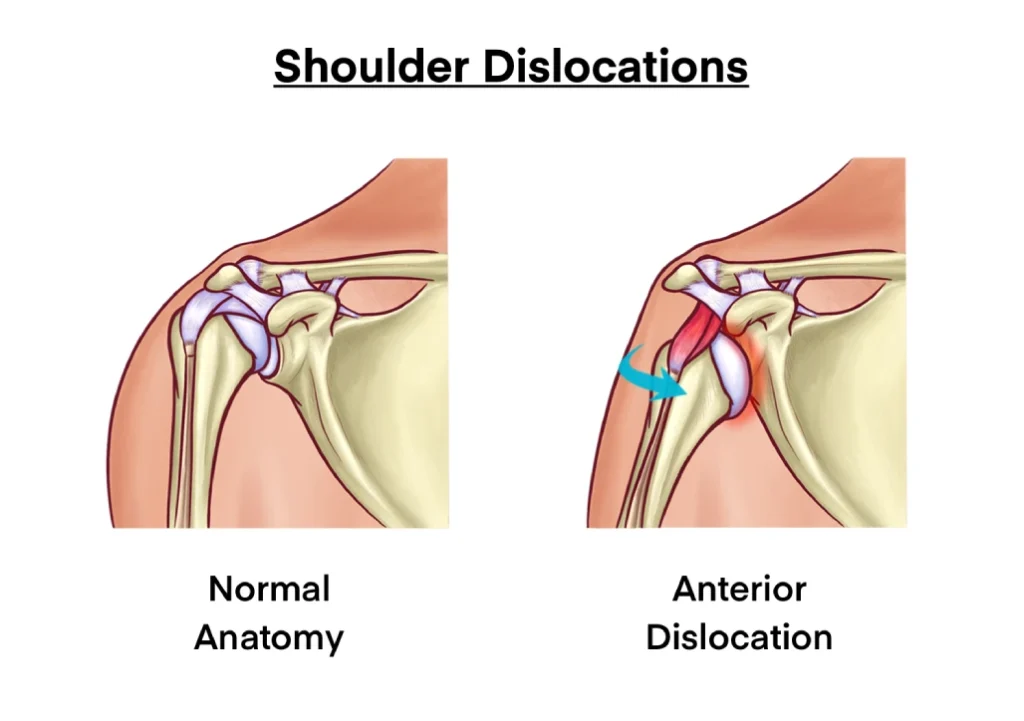
Book a Consultation for Shoulder Dislocation
Specialized care for recurrent shoulder dislocation — regain joint stability, reduce pain, and prevent future dislocations through expert orthopedic diagnosis and treatment planning.
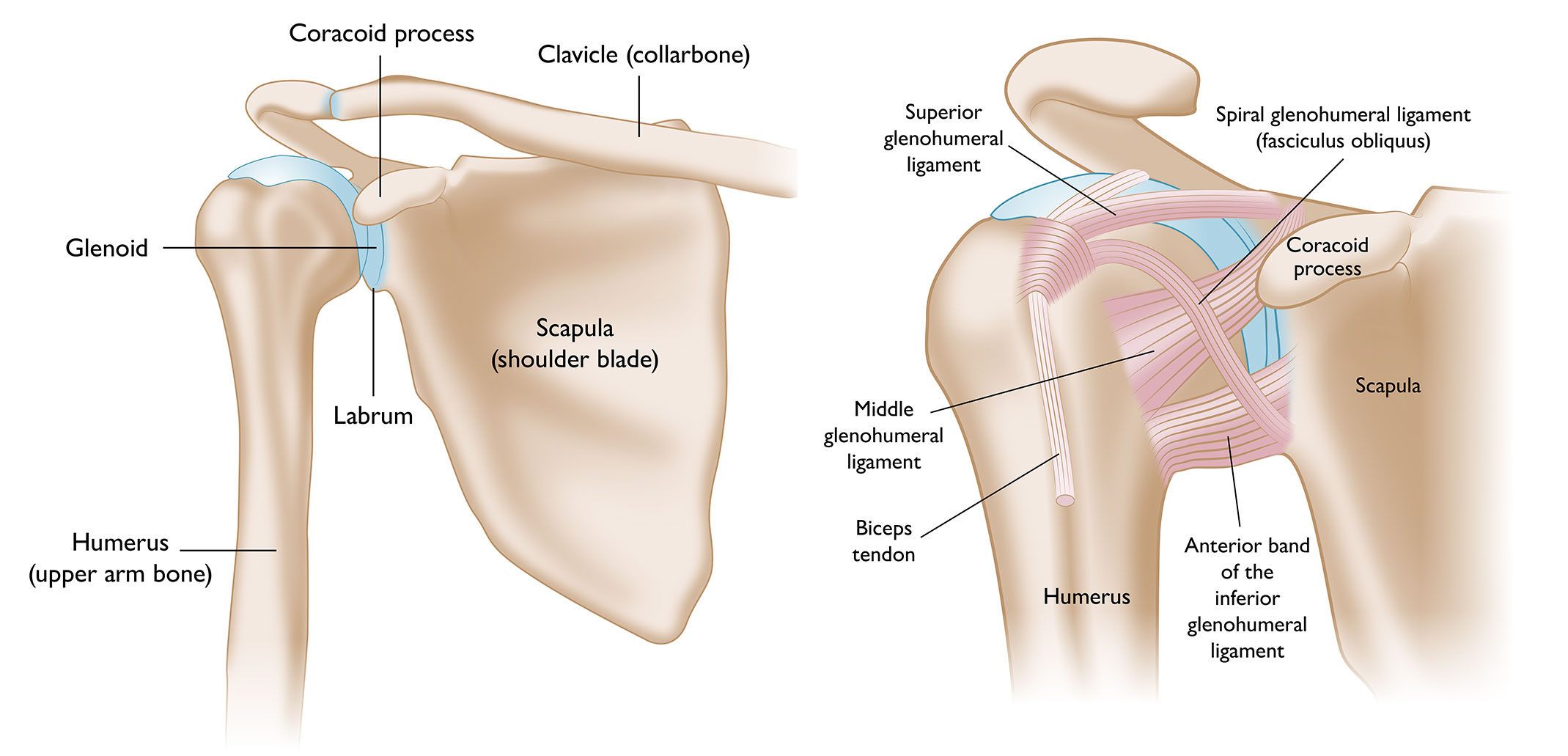
Recurrent Shoulder Dislocation Treatment by Dr. Jigar Desai
Regain stability and confidence with expert care for recurrent shoulder dislocation from Dr. Jigar Desai, a trusted orthopedic surgeon with 15+ years of experience in sports injuries and joint disorders. Receive personalized treatment designed to restore shoulder function and prevent future dislocations.
- • Comprehensive diagnosis of shoulder instability
- • Arthroscopic Bankart repair and soft tissue reconstruction
- • Guidance on non-surgical and surgical options
- • Customized physiotherapy and strength rehabilitation
- • Long-term solutions to prevent recurrence
Why Choose Dr. Jigar Desai?
Recurrent Shoulder Dislocation – Questions & Answers
Understand the causes, symptoms, and effective treatment options for recurrent shoulder dislocation. Learn how Dr. Jigar Desai provides personalized care to restore joint stability and prevent future episodes.
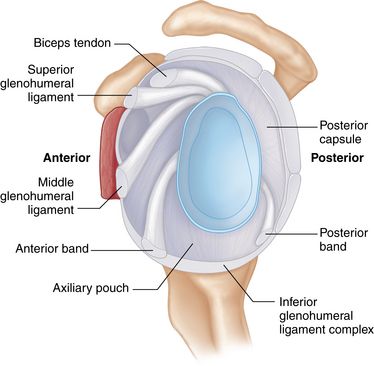
Dr. Jigar Desai specializes in treating recurrent shoulder dislocations using advanced techniques including arthroscopic stabilization, physiotherapy, and customized rehabilitation plans to help patients regain full range of motion and confidence.
It often results from an initial traumatic dislocation that damages the
ligaments or
labrum.
Weak shoulder muscles or improper healing can increase the risk of
repeated
dislocations.
Symptoms include frequent shoulder instability, pain during movement,
weakness,
and a feeling that the shoulder may "pop out" during certain activities.
Diagnosis includes a clinical examination, range-of-motion tests, and
imaging such as
MRI or CT scan to assess structural damage and instability severity.
Treatment options include physical therapy to strengthen shoulder
muscles,
and in severe cases, arthroscopic surgery to repair torn ligaments or
labrum for lasting
stability.
While some cases are unavoidable due to trauma, proper rehabilitation,
muscle
strengthening,
and activity modification can significantly reduce recurrence risk.
Schedule an appointment through the clinic’s official website or call
directly.
Emergency and sports injury slots are available for fast assessment and
treatment
planning.